





Optical smoke alarm
The Technical Handbook – Domestic, published by Scottish Ministers to provide guidance on the building regulations suggests that there are 4 main types of fire detector used in dwellings:
- Optical smoke alarms.
- Ionisation smoke alarms.
- Multi sensor alarms.
- Heat alarms.
It is important that the right type of fire detector for different situations, as false alarms can result in the occupants disabling the fire detection and fire alarm system.
The most common causes of a false alarm are:
Optical smoke alarms detect the scattering or absorption of light within the detector chamber. They are more sensitive to slow smouldering fires such as fires involving soft furnishings and bedding.
A likely source of this type of fire is in a principal habitable room (a frequently used room by the occupants of a dwelling for general daytime living purposes) from the careless disposal of smoking materials. Polyurethane foam found in some furnishings may ignite and begin to smoulder producing large particles of smoke. Because of this, optical smoke alarms are recommended in principal habitable rooms. However if the room is used by a heavy smoker, this could give rise to some false alarms from tobacco smoke.
As optical smoke alarms are less sensitive from fumes caused by toasting bread or frying or grilling food, they are also recommended where a principal habitable room is open plan with a kitchen, and in hallways and stairwells adjacent to kitchens, to reduce the amount of unwanted alarms from cooking fumes. Most unwanted alarms occur during cooking.
Optical smoke alarms should conform to BS EN 14604: 2005 Smoke Alarm Devices.
Characterising smoke from modern materials and evaluating smoke detectors was written by Raman Chagger and published by BRE in 2014 states:
| Optical smoke detectors typically use a smoke scatter chamber, which contains an LED source with a collimated lens that produces a beam. A photodiode is located at an angle to the beam. As smoke particles enter the chamber they interrupt the beam and the light is scattered and detected by the photodiode. This results in a voltage that can be used to determine an alarm condition. Optical detectors respond to smouldering fires very quickly, as the larger particles generated cause more scattering. Optical scatter chambers are less sensitive to small particles – and become progressively less sensitive as the smoke particle size approaches the LED wavelength used. Therefore optical smoke detectors are slower at detecting the small smoke particles generated from flaming fires. These detectors are less likely to produce false alarms from cooking fumes and steam than ionisation detectors. |
Ref: https://files.bregroup.com/research/Test-Fires-Characterisation_2014-November.pdf
[edit] Related articles on Designing Buildings Wiki
- Carbon monoxide detector.
- Characterising smoke from modern materials and evaluating smoke detectors.
- Domestic smoke alarms DG525.
- Fire detection and alarm system.
- Fire detector.
- Fire fatalities in Scotland.
- Heat alarm.
- Ionisation smoke alarm.
- Multi-sensor alarm.
- New requirements for fire detection and alarm network systems IP 12 13.
- Over £1 billion lost every year due to false alarms.
- Smoke detector.
- The causes of false fire alarms in buildings.
- The role of codes, standards and approvals in delivering fire safety.
Featured articles
Check out some of the best features and news from Designing Buildings as well as key stories from around the web.
Connecting knowledge, technology and conservation
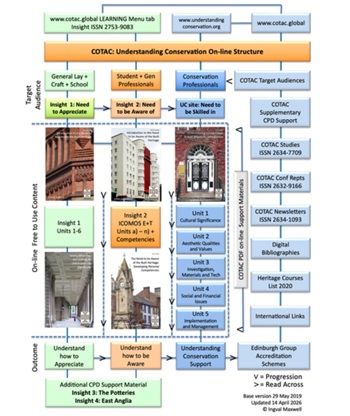
Building competence for the future of built heritage.
Building Regulations and Building Safety Act

CIOB publishes free advice for non-domestic clients.

Building Safety Newsletter from MHCLG.

An extraordinary record of steel engineering worldwide.

Households living near new pylons to save on bills.

ECA warns growth must not outpace grid capacity or skills.
The role of the client and decision making

CIOB response to built environment professions call for evidence.
Construction's sustainability reporting revolution

Tracking upfront embodied carbon with digital tools.
ECA welcomes procurement reforms

Public spending must back British jobs and skills.
Campaigning for Edinburgh: the Cockburn Association 1875-2049

The role of the civic voice in protecting character. Book review.

CIOB photography competition is open for entries.
ECA Edmundson apprentice of the year award

Finalists announced.